27
Project partners
Working across Europe and Canada to build open, interoperable infrastructure for carbon removal certification.

thriveGEO leads stakeholder engagement for the Open Geospatial Carbon Registry, a Horizon Europe project building the digital infrastructure for carbon removal certification in Europe. The goal: co-design that infrastructure with the people and organisations who will use it.
Chat with usWorking across Europe and Canada to build open, interoperable infrastructure for carbon removal certification.
From farmers and land managers to certifiers, buyers, project developers and European Commission representatives.
Across interviews, surveys, workshops and policy engagement activities.
The Challenge
About OGCR
Project: Open Geospatial Carbon Registry (OGCR)
The Open Geospatial Carbon Registry is an EU Horizon-funded project developing open, interoperable digital infrastructure for carbon removal certification, with farmer data ownership and affordable monitoring, reporting and verification at its core.
The project brings together 27 partners spanning research institutions, technology developers, universities and commercial providers across Europe and Canada.
thriveGEO'S ROLE
thriveGEO leads stakeholder engagement, dissemination and exploitation for OGCR. The role is not to build the system. It is to make sure what gets built actually works.
That means sitting at the interface between users and developers: translating on-the-ground needs, frustrations and priorities into clear technical requirements, while building a committed community of future users who are actively shaping the system, not just being consulted on it.
Context
Soils hold more than twice the carbon of the entire atmosphere. Europe’s Carbon Removals and Carbon Farming framework (CRCF) is designed to build on this potential: bringing finance into carbon farming at scale, creating a single credible standard, and supporting the EU and member states on the path to their 2050 climate targets.
But carbon farming uptake across Europe has remained low. High administrative burden, fragmented landscapes, low trust and unclear data ownership have all played a role.
Why this mattered
OGCR needed to make sure the future registry was shaped by the people who would rely on it, not built from assumptions.
Building infrastructure without first understanding the people who will use it rarely works.
The stakeholder map runs from individual farmers across Europe to DG CLIMA, DG AGRI and DG DIGIT at the European Commission, with auditors, project developers, cooperatives, registries, foresters, corporate buyers and scheme operators in between.
Each group has different needs, different friction points and a different relationship with trust. Getting the requirements wrong at this early stage means building something that may earn compliance, but not adoption.
The Solution
Over six months, thriveGEO designed and delivered a stakeholder validation programme across priority user groups, combining interviews, surveys, workshops and direct policy engagement.
The work turned a complex stakeholder landscape into a clear evidence base for the teams designing and building the registry.
Methodology
A structured pathway from ecosystem mapping to user insight, policy engagement and technical requirements – designed to make sure the future registry reflects the needs of the people expected to trust, use and govern it.
thriveGEO engaged with the groups that would need to trust or use the future registry, from farmers and land managers to certifiers, buyers, project developers and regulators.
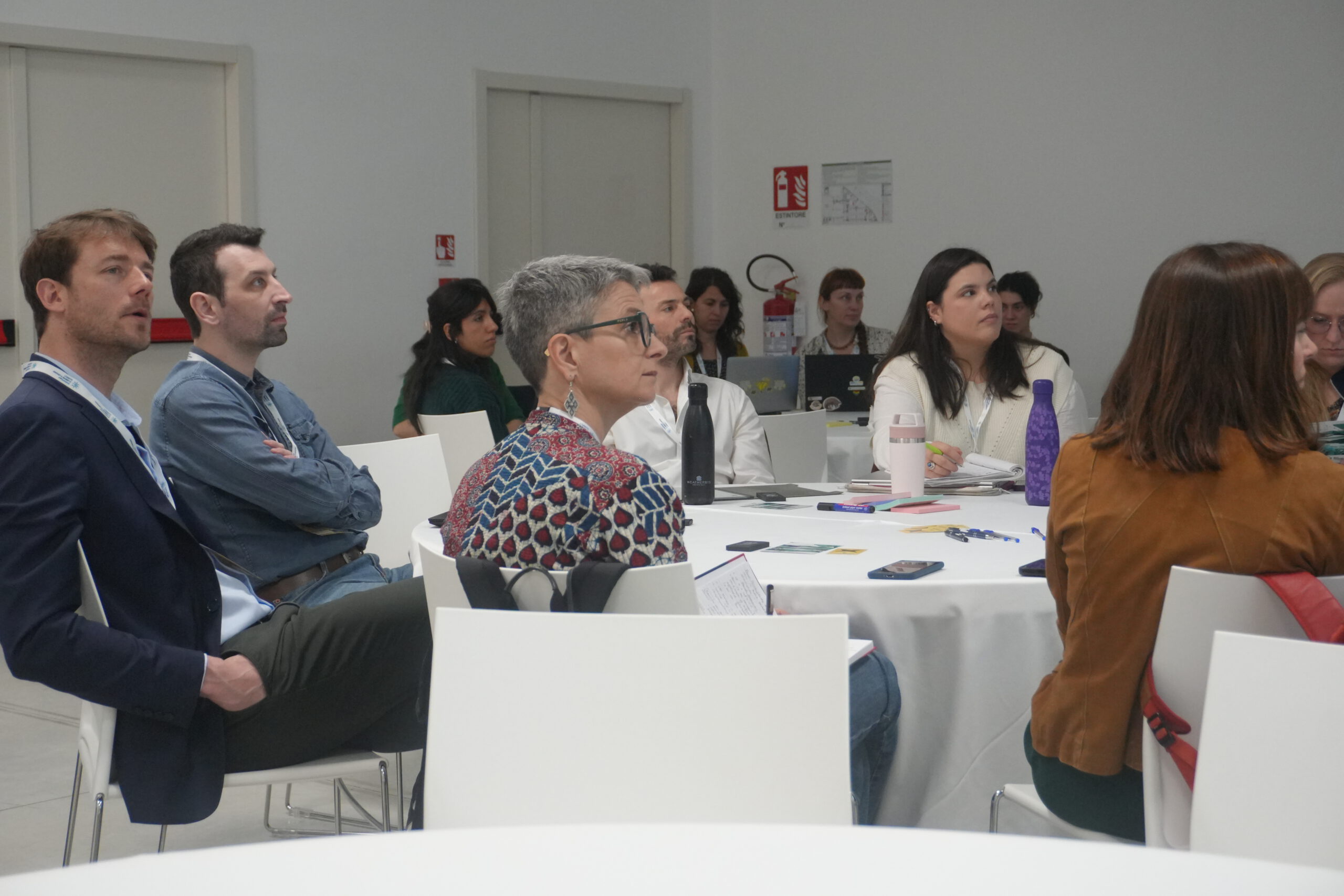
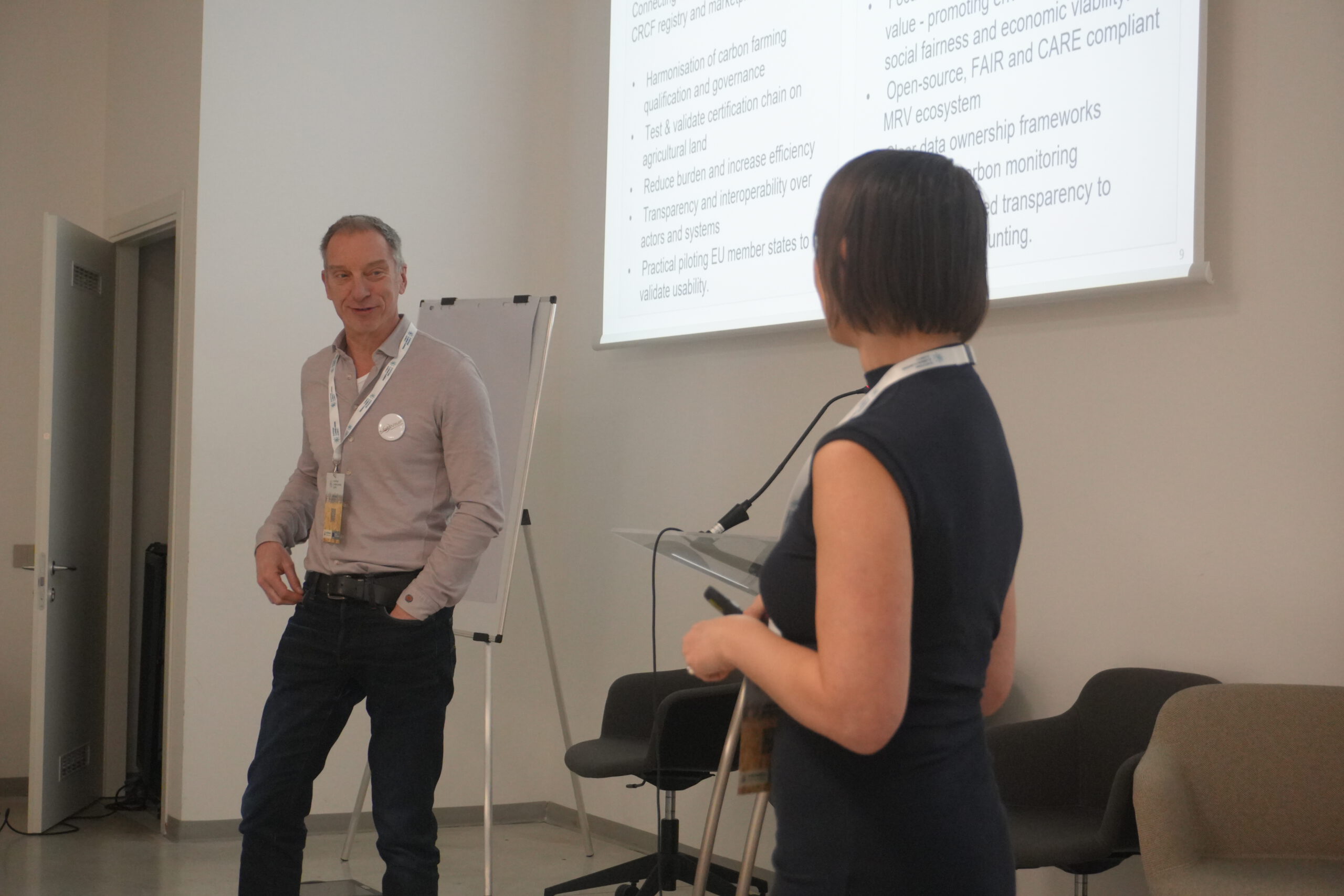
The programme combined 31 semi-structured interviews, 35 survey responses and a workshop at the European Carbon Farming Summit with more than 40 participants.
To support farmer participation, surveys were translated into English, French and Italian, helping capture practical needs across different national and farming contexts.
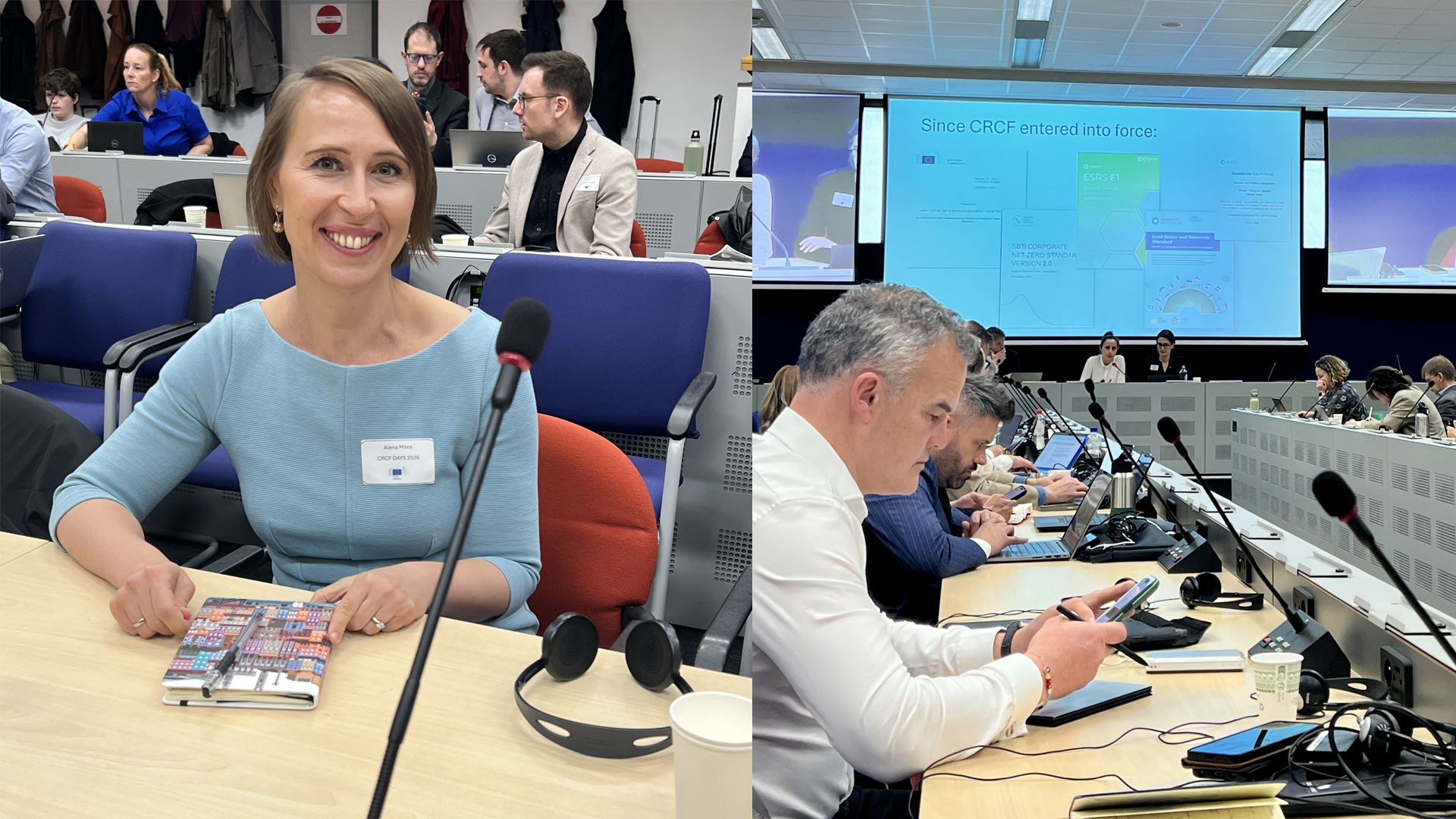
Because the European Commission is a direct participant in the future CRCF registry ecosystem, thriveGEO structured engagement through the OGCR Policy Working Group and participation in Commission-led events.
The final output was a Stakeholder Analysis and User Requirements document submitted to the European Commission. It maps stakeholder needs, current system gaps and what a trusted European carbon registry must get right to support adoption.
The stakeholder analysis is not the end of the process. The community built through this phase will continue to support co-design, prototype testing and pilot activities as the platform develops.
The Results
The stakeholder analysis is now a primary input for system design and build decisions across OGCR’s technical work packages.
User requirements are informing architecture decisions. Validated insights are shaping business case demonstrators. Technical teams now have a clearer understanding of what future users need, where trust breaks down and what the platform must get right to support adoption.
Before
Fragmented needs, unclear expectations and no shared user evidence base
After
A clear requirements blueprint shaped by the people expected to trust and use the registry
A complex stakeholder landscape has been translated into structured insight that technical teams can use.
The requirements are helping connect system design decisions to real user needs and workflows.
The findings are shaping business case demonstrators designed around real barriers, including cost, data ownership, proof of impact and landholder value.
Farmers, certifiers, buyers, project developers and farmer representatives are now engaged in a process that will support co-design, prototype testing and pilot activities as the platform develops.
In a 27-partner project spanning research, technology and industry, thriveGEO is helping keep the human layer and technical layer connected.